
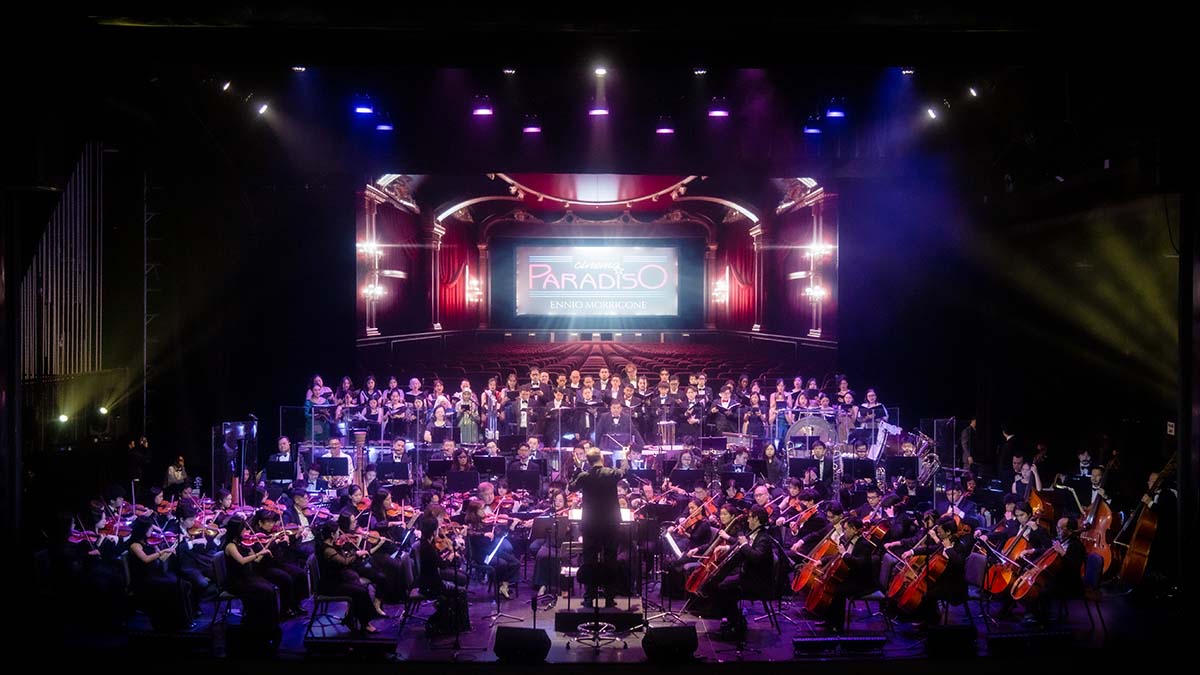
In a world where almost every song is instantly available through streaming platforms, playlists, and wireless earbuds, live orchestra continues to offer something that digital listening cannot fully replicate.
You can listen to music anywhere today.
But hearing an orchestra live feels entirely different.
It is bigger.
More physical.
More emotional.
More human.
And perhaps that is exactly why audiences continue returning to concert halls.
Live Orchestra Is Not Just Heard, It Is Felt
Listening to orchestral music through headphones can still be emotional. But inside a concert hall, the experience becomes physical.
The low brass vibrates through the room.
The timpani can be felt in your chest.
The strings move together like a single living sound.
A live orchestra surrounds the audience in a way recorded music simply cannot reproduce.
The experience is not only about hearing notes, it is about feeling atmosphere, tension, anticipation, silence, and release in real time alongside hundreds of other people.
That shared physical experience changes how audiences emotionally connect with music.
Every Performance Is Slightly Different
One of the most powerful aspects of live orchestral performance is that no two performances are ever completely identical.
Even when musicians perform the same piece:
- tempos shift slightly
- emotions evolve
- the energy in the room changes
- audience reactions influence atmosphere
- performers respond to one another in real time
Live orchestra feels alive because it is alive.
Unlike recorded music, which remains fixed forever, orchestral performance exists only in that specific moment.
And once the final note fades, that version of the performance disappears with it.
Silence Becomes Part of the Music
One of the most overlooked parts of live orchestra is silence.
The silence before the conductor raises the baton.
The silence between movements.
The silence immediately after a powerful ending.
These moments create anticipation and emotional tension that recordings rarely capture fully.
Inside a concert hall, audiences become aware not only of sound, but of presence.
People breathe differently.
They listen differently.
They become emotionally immersed together.
That atmosphere is difficult to replicate anywhere else.
Live Music Creates Shared Emotional Experiences
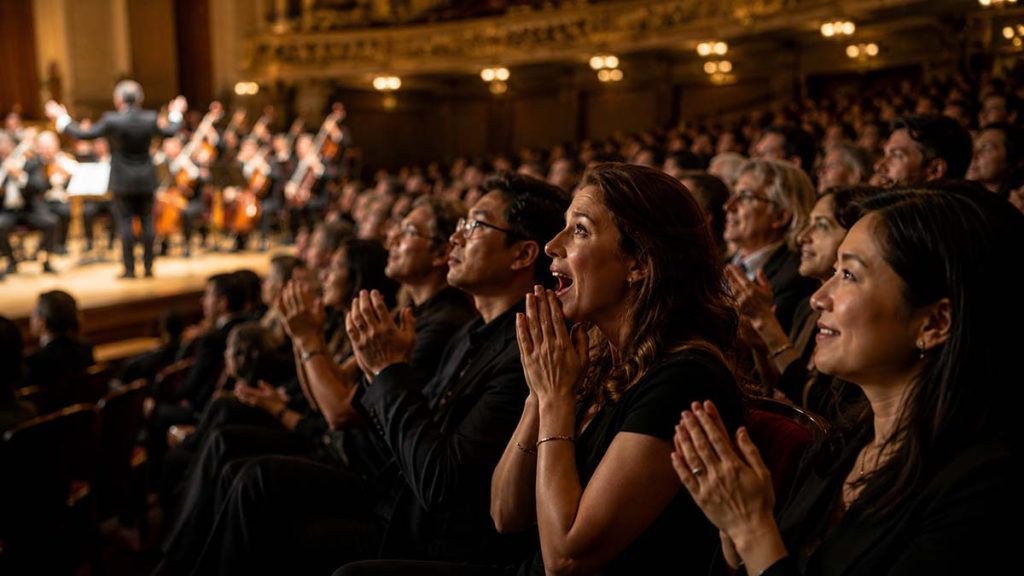
Modern life is increasingly experienced individually:
- through phones
- through algorithms
- through personalised feeds
- through isolated listening
But live orchestra remains deeply communal.
Hundreds or even thousands of strangers sit together experiencing the same emotional journey at the same time.
For a few moments:
- everyone reacts together
- everyone listens together
- everyone feels together
That collective emotional connection is part of what makes live music unforgettable.
Younger Audiences Are Rediscovering Live Orchestra
Interestingly, younger audiences today are increasingly reconnecting with orchestral experiences.
Part of this comes from:
- film scores
- gaming music
- cinematic storytelling
- social media discovery
- emotional live experiences
But another reason may be much simpler: people are craving experiences that feel real again.
Live orchestra offers something rare in a digital world: presence.
Not content.
Not distraction.
Not background noise.
An experience.
You Do Not Need To “Understand” Orchestra To Feel It
A common misconception about orchestral music is that audiences need technical knowledge to appreciate it.
In reality, most people connect emotionally before they understand anything intellectually.
You do not need to:
- know music theory
- recognise every composer
- understand orchestration
- attend concerts regularly
to feel something during a live performance.
Emotion comes first.
And that emotional connection is what keeps audiences returning to live music across generations.
Why Live Orchestra Still Matters
Technology will continue evolving.
Streaming will continue growing.
Music will become increasingly accessible.
But live orchestra continues offering something irreplaceable:
human connection through sound.
It reminds audiences:
- how powerful shared experiences can be
- how emotional music can feel live
- how silence and atmosphere shape emotion
- how art still brings people together physically
Perhaps that is why live orchestra continues resonating so deeply today.
Not because it belongs to the past, but because it still makes people feel fully present in the moment.
Final Reflection
You can stream music anywhere.
But live orchestra feels different because it asks people to slow down, listen closely, and experience emotion together in real time.
And maybe in today’s world, that feeling matters more than ever.

